
Hairline Restoration for Women — Yes, Women Get Hair Transplants Too
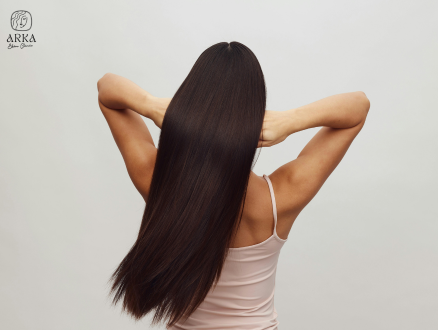
She noticed it first on her pillow. Then in the shower drain. Then, in photographs, the way the light caught her scalp along the parting she had kept the same way for twenty years. For most women, hair loss is not just a cosmetic inconvenience. It is a quiet, persistent blow to confidence, identity, and the everyday sense of self. If that description feels familiar, here is something the beauty industry has rarely told you: female hair transplant is real, effective, and growing at a remarkable pace in cities like Gurgaon. At Arka Clinic, Sector 49, Gurgaon, women now form a significant and growing share of hair restoration consultations — and the results speak for themselves. This blog post is your complete guide. From understanding why women lose hair differently, to how hairline restoration actually works for female patients, to what you can expect at every step of the journey. Why Women Lose Hair — And Why It Is Different From Men When people picture hair loss, they typically picture a receding hairline on a man. That image, while accurate for millions of men, leaves out an enormous group of people who are quietly struggling with the same problem — women. Female hair loss tends to be diffuse rather than patterned. Instead of a clearly receding front or a bald crown, women often experience a gradual thinning across the scalp, a widening part, or a reduction in hair density along the hairline. The underlying causes vary, and understanding yours is the first step. The Three Most Common Causes of Hair Loss in Women Female Pattern Hair Loss (FPHL): This is the most common cause. Triggered by genetics and hormonal changes — particularly around menopause, post-pregnancy, or thyroid disruption — FPHL causes progressive thinning across the top and crown of the scalp. The frontal hairline is usually preserved, but density falls significantly behind it. Traction Alopecia: This is a form of hair loss caused by prolonged tension on the hair follicles. Years of tight ponytails, braids, weaves, or extensions gradually damage the follicles along the temples and hairline. Left untreated, that damage becomes permanent. Many women in their 30s and 40s presenting at hair loss treatment clinics in Gurugram cite traction alopecia as their primary concern. Post-Procedural or Scar-Related Hair Loss: Facelifts, surgeries, burns, or accidents can leave visible scars where hair no longer grows. Hairline restoration in these cases involves transplanting donor grafts directly into scar tissue — a technically demanding procedure with excellent outcomes when performed by an experienced surgeon. Other contributing causes include chronic stress (telogen effluvium), nutritional deficiencies, autoimmune conditions like alopecia areata, and prolonged use of certain medications. A comprehensive consultation at Arka Clinic includes a detailed medical history review precisely because the cause shapes the treatment plan. Can Women Actually Get Hair Transplants? Yes. Absolutely. The hesitation is understandable — hair transplants have historically been marketed almost exclusively to men, and the imagery around them reflects that bias. But the procedure is neither gender-specific nor exclusive. However, the surgical approach is meaningfully different for women. Here is why: Donor Area Assessment: Women typically cannot shave their entire head for surgery, which limits some FUE (Follicular Unit Extraction) techniques. Surgeons at Arka Clinic are experienced in unshaven or partial-shave FUE, which allows grafts to be harvested discreetly from the back or sides of the scalp without visible evidence of surgery. Diffuse vs. Patterned Loss: Because female hair loss is often diffuse, surgeons must carefully evaluate which areas of the scalp are truly stable donor zones — meaning those follicles are not themselves susceptible to future loss. Transplanting from unstable zones can lead to poor long-term results. Hairline Design: Female hairlines are architecturally different from male ones. They tend to be lower, rounder, and more irregular along the edges. A skilled surgeon designs the new hairline to match natural feminine proportions — not a straight line, not a mathematical formula, but an organic result that looks like it was always there. Density Goals: Women typically require higher follicle density in the transplanted zone for results to look natural. The operative plan accounts for this from the start. At Arka Clinic, Sector 49, every female patient undergoes a dedicated pre-surgical assessment that maps the scalp, evaluates donor density, and models the expected aesthetic outcome before a single graft is placed. The Arka Clinic Approach to Female Hairline Restoration in Gurgaon Arka Clinic operates as a dedicated skin and hair clinic in Gurgaon, combining dermatological expertise with cosmetic surgery precision. For women seeking hairline restoration in Sector 49 or anywhere in Gurugram, the clinic offers a structured, transparent, and results-oriented process. Step 1: Consultation and Scalp Analysis The first appointment is a conversation, not a sales pitch. The dermatologist reviews your medical history, examines your scalp under magnification (trichoscopy), assesses donor hair density, and discusses your goals. You will leave this session with a clear picture of whether you are a suitable candidate and what realistic outcomes look like. Step 2: Customised Treatment Planning Not every woman presenting with hair loss needs or should pursue a transplant immediately. Some benefit more from a combination of PRP (Platelet-Rich Plasma) therapy, topical treatments, or low-level laser therapy at an earlier stage. For those who are surgical candidates, the plan specifies the technique, graft count, target zones, and session structure. Step 3: The Surgical Procedure Arka Clinic performs both FUE and FUT techniques, with FUE being the standard approach for most female patients due to its minimal scarring profile. The procedure is performed under local anaesthesia and typically takes four to eight hours depending on graft count. You remain awake and comfortable throughout. The extracted follicular units are kept in a temperature-controlled preservation solution and implanted individually using micro-incision techniques that ensure natural angulation and spacing. Step 4: Recovery and Follow-Up The immediate post-operative period involves mild swelling and a degree of redness that typically resolves within a week. Most women return to work within five to seven days. The transplanted
Why Most Doctors Recommend Hair Transplant During Winter
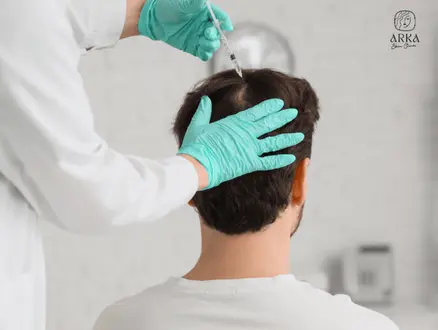
Hair Transplant During Winter is often recommended by doctors because the colder months provide the most comfortable and healing-friendly environment for the procedure. While hair transplant surgery can technically be done at any time of the year, experienced specialists have observed that winter offers several natural advantages that support better recovery and results. At Arka Skin Clinic, a trusted hair transplant clinic in Gurgaon with more than 15 years of experience, doctors have consistently seen smoother healing, improved graft survival, and higher patient comfort when hair transplant procedures are performed during winter. Understanding why season matters can help you plan your treatment wisely and with confidence. Why Timing Matters in a Hair Transplant A hair transplant is a medical procedure that involves relocating healthy hair follicles from a donor area to areas affected by hair thinning or baldness. After the procedure, the scalp needs time to heal and the transplanted follicles need a stable environment to settle properly. Factors like: Excessive heat Sweating Humidity Sun exposure can affect healing and comfort. This is why many hair transplant surgeons in Gurgaon consider winter the most suitable season for the procedure. Why Doctors Prefer Winter for Hair Transplant Procedures Doctors prefer winter for hair transplant procedures because cooler temperatures reduce sweating, which helps transplanted hair follicles heal and settle properly. The lower risk of infection, minimal scalp irritation, and easier post-procedure care make recovery smoother. Patients also experience greater comfort and faster healing in winter, leading to better graft survival and more predictable, natural-looking hair transplant results. Simple Medical Explanation: Cooler temperatures help reduce sweating, irritation, and infection risk. This creates a healthier scalp environment, allowing transplanted hair follicles to heal and grow more effectively. 1. Faster and Safer Healing in Winter One of the biggest benefits of undergoing a hair transplant in winter is faster healing. During colder months: The body sweats less The scalp remains drier Redness and irritation settle quicker Sweating can disturb newly implanted grafts and cause discomfort. Winter naturally minimizes this problem, which is especially beneficial for patients undergoing procedures at a FUE hair transplant clinic in Gurgaon. 2. Reduced Risk of Infection Although hair transplant surgery is safe, proper healing is essential. Warm and humid weather can encourage bacterial growth, increasing the chances of infection. Winter conditions: Keep the scalp cleaner Reduce moisture buildup Support stable healing Doctors at Arka Skin Clinic, regarded as one of the best hair transplant clinics in Gurgaon, often recommend winter procedures because post-treatment complications are less common. 3. Better Graft Survival and Stronger Results After transplantation, hair follicles need time to anchor themselves into the scalp. Any disturbance during this phase can affect final results. Winter helps because: Less sweating keeps grafts secure Lower inflammation supports healing Follicles settle more effectively This leads to better graft survival, which is a key factor in achieving natural-looking density. Patients searching for a hair restoration clinic near me in Gurgaon are often advised to plan their treatment during winter for this reason. 4. Greater Comfort During Recovery Recovery after a hair transplant usually involves mild scabbing and temporary sensitivity. Winter makes this phase more comfortable because: Sun exposure is limited Wearing a cap or scarf feels natural There is less itching compared to summer This allows patients to return to daily routines with confidence, especially working professionals in Gurgaon and Gurugram. 5. Easier Post-Treatment Care After a hair transplant, doctors typically advise patients to: Avoid heavy workouts Stay away from direct sunlight Maintain proper scalp hygiene Winter naturally supports these instructions. People tend to stay indoors more and avoid intense outdoor activities, making aftercare simpler and more manageable. This is particularly helpful for patients choosing a hair transplant clinic in Gurgaon. 6. Ideal Season for Planning Visible Hair Growth Hair transplant results do not appear overnight. The growth process follows a natural cycle: Initial healing in the first few weeks New hair growth starts around 3–4 months Noticeable improvement by 6 months Final results in 9–12 months When the procedure is done in winter: Healing completes by early spring New growth becomes visible by summer Full results are often seen before major social or festive events This timing is often suggested by a top hair transplant doctor in Gurugram for patients who like to plan ahead. Combining Hair Transplant with PRP in Winter Many patients enhance their results by combining surgery with PRP hair treatment in Gurgaon. PRP therapy helps: Strengthen transplanted follicles Improve scalp health Reduce future hair thinning Winter supports PRP effectiveness because: Reduced inflammation improves absorption Healing is faster Blood circulation supports hair growth At Arka Skin Clinic, PRP is commonly recommended as a supportive treatment for long-term hair health. Hair Transplant Cost in Gurgaon: Does Season Affect It? The hair transplant cost in Gurgaon depends on several factors, including: Number of grafts required Technique used Surgeon’s experience While winter does not significantly change pricing, many patients find it easier to plan treatment during this season due to smoother recovery and focused aftercare. Clinics also guide patients toward affordable hair transplant Gurgaon options without compromising medical quality. Experience Matters More Than the Season Although winter offers many benefits, the success of a hair transplant depends largely on the expertise of the clinic and surgeon. With over 15 years of experience, Arka Skin Clinic has earned trust as a reliable hair transplant clinic in Gurgaon by offering: Surgeon-led procedures Advanced FUE techniques Natural hairline design Ethical and transparent guidance Experience ensures that each patient receives personalized care and realistic expectations. Frequently Asked Questions Why do doctors recommend hair transplant in winter? Doctors recommend winter because cooler temperatures reduce sweating, lower infection risk, and support better healing. Is hair transplant safe in winter? Yes, winter is considered one of the safest seasons for hair transplant procedures. How long does recovery take in winter? Most patients recover within 7 to 10 days and return to normal routines shortly after. Does hair grow faster if transplant is done in winter? Hair growth follows