
Male Pattern Baldness: Early Warning Signs and Hair Regrowth Solutions
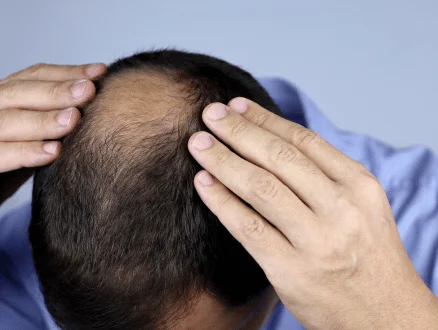
Noticing a receding hairline in photographs or seeing more scalp around the crown can be concerning. For many men, these changes are early signs of male pattern baldness, a common form of progressive hair loss that can begin in early adulthood and become more noticeable with age. Although hereditary hair loss cannot always be reversed completely, suitable treatment may help slow its progression and improve hair density in some men. The right approach depends on the cause of hair loss, the condition of the hair follicles, and individual treatment needs. At Arka Skin Clinic, Gurgaon, we help patients explore appropriate hair restoration options based on their concerns and clinical assessment. Understanding the early signs of male pattern baldness can help you seek advice and make informed decisions about your hair health. What Is Male Pattern Baldness? Male pattern baldness, medically known as androgenetic alopecia, is a hereditary condition that causes gradual hair thinning in a characteristic pattern. It commonly affects the temples, front hairline, and crown of the scalp. Genetics and sensitivity to dihydrotestosterone (DHT), a hormone produced from testosterone, play important roles in this condition. In susceptible individuals, DHT affects certain hair follicles and causes them to shrink gradually. This process is called follicular miniaturization. As the follicles become smaller, they produce finer, shorter hairs. Over time, hair density decreases, and some affected areas may eventually lose most of their visible hair. The rate of progression varies from person to person. Some men notice changes in their twenties, while others develop more visible thinning later in life. It is also important to understand that not all hair loss is male pattern baldness. Nutritional deficiencies, thyroid conditions, certain medications, scalp disorders, and temporary hair shedding can produce similar concerns. Identifying the underlying cause is essential before selecting a treatment. Early Warning Signs of Baldness in Men Male pattern hair loss usually develops gradually. Recognizing these changes early can help you seek professional advice before significant thinning occurs. 1. A Receding Hairline A receding hairline is one of the most recognizable early signs of male pattern baldness. The hairline gradually moves backwards around the temples, sometimes creating an M-shaped appearance. Changes can be subtle at first. Comparing photographs taken several months apart may help you notice whether the hairline is changing over time. 2. Thinning Hair at the Crown The crown, or upper back portion of the scalp, is another common area affected by hereditary hair loss. You may notice that your scalp becomes more visible under bright lighting or when your hair is wet. The thinning may gradually spread if the condition progresses. 3. Reduced Hair Density Your hair may begin to look less full even when the hairline appears relatively unchanged. Styling may become more difficult because the hair no longer provides the same volume or coverage. 4. Finer and Shorter Hair Strands Affected follicles may gradually produce finer, shorter strands instead of thick, healthy-looking hair. This change can make the scalp more visible and reduce overall hair density. 5. Gradual Hair Loss Over Time Male pattern baldness generally progresses over months or years rather than causing sudden, widespread shedding. The speed of progression depends on individual factors. A receding hairline or thinning crown does not automatically confirm hereditary hair loss. A dermatologist can examine the scalp and determine whether the pattern is consistent with androgenetic alopecia. What Causes Male Pattern Hair Loss? Several factors influence hair loss in men, but male pattern baldness has a specific underlying mechanism. Genetics: A family history of hair loss can increase the likelihood of developing male pattern baldness. Genetic influences may come from either side of the family. Sensitivity to DHT: In genetically susceptible hair follicles, DHT contributes to gradual miniaturisation. The affected hairs become thinner and shorter over time. Age: The condition can begin in early adulthood and progress with age. However, its timing and severity vary considerably between individuals. Other medical conditions: Thyroid disorders, nutritional deficiencies, illness, certain medications, and stress-related shedding can also contribute to hair loss. These conditions may occur independently or alongside hereditary baldness. Poor hygiene, frequent shampooing, and wearing a cap do not directly cause hereditary male pattern baldness. Changing these habits alone will not treat the underlying condition. Understanding the cause of hair loss is therefore more useful than relying on home remedies or products that promise rapid regrowth. How Is Male Pattern Baldness Diagnosed? An accurate diagnosis helps distinguish hereditary hair loss from other conditions that may need different treatment. During an assessment, a dermatologist may: Review your medical history, family history, medications, and the duration of hair loss. Examine the scalp to assess the pattern and extent of thinning. Evaluate hair density and the appearance of individual strands. Recommend blood tests if symptoms suggest nutritional deficiencies, thyroid problems, or other underlying conditions. Consider additional investigations if the cause of hair loss is unclear. A scalp examination may also help assess whether the follicles are likely to respond to treatment. Early assessment can be particularly useful because some treatments work best when affected follicles are still producing hair. It can also help prevent unnecessary procedures or unsuitable medication use. Male Pattern Baldness Treatment Options There is no single treatment that works equally well for everyone. Depending on the diagnosis and stage of hair loss, options may include medication, platelet-rich plasma therapy, or hair transplantation. The aim is to select an approach that suits your condition, medical history, and expectations. 1. Topical Minoxidil Minoxidil is a commonly used topical treatment for hereditary hair loss. It may help reduce hair loss and improve the thickness of existing hair in some men. Treatment requires consistent use, and visible improvement may take several months. Results vary, and complete regrowth should not be expected. Possible side effects include scalp irritation, itching, and unwanted hair growth in nearby areas. Follow the product instructions and seek medical advice if you experience concerning symptoms. Continued use is generally needed to maintain the benefits. Hair that has been maintained or regrown through
Freedom from Hair Fall: Why August Is the Best Time to Start Hair Treatment

Look at your hairbrush. Is it fuller than usual? You are not imagining it. Every August, clinics across Gurgaon see the same thing. People walk in worried about sudden hair fall. They all ask one question: did the monsoon do this to my hair? The answer is yes, and no. Rain does not pull hair out on its own. But it starts a chain reaction in your scalp. That reaction often shows up weeks later, right around now. This is why August is a smart time to start real hair fall treatment. Your scalp has already been through the stress. Now you can see the full picture and treat it the right way. This guide covers why monsoon weakens hair. It shows you how to spot normal shedding versus a real problem. It looks at what research says about hair loss treatment. And it explains how Arka Skin Clinic handles hair fall treatment in Gurgaon under expert dermatologist care. Why Monsoon Hits Your Hair So Hard Your hair does not like sudden change. Monsoon brings a lot of it, all at once. High humidity makes each strand swell and shrink over and over. This weakens the hair shaft over time. Sweat and rainwater sit on the scalp for hours. They mix with oil, dust, and pollution. This buildup clogs hair follicles. It feeds bacteria and fungus too. The result is often dandruff, itching, and a scalp infection that quietly makes shedding worse. There is one more factor most people miss: sunlight. Cloudy monsoon skies cut your sun exposure. Less sun means lower vitamin D. Low vitamin D is linked to weak hair roots and slow hair regeneration. Add rising pollution in cities like Gurgaon, and your scalp stays under constant, low-grade stress. This is how pollution affects hair health. It is also why humidity causes hair fall so often during and after the rains. None of this is rare. It is simply seasonal hair fall. And it has a clear, well-documented cause. Why August Is the Real Turning Point Here is something most people do not know. Hair does not fall out the moment it gets damaged. It follows a cycle. A stressed follicle usually rests first. Then it sheds, often two to three months later. This is why August is the best time to start hair treatment. The damage from June and July is now fully visible. Your dermatologist can see the real pattern, not just a guess. Starting now works with your hair cycle, not against it. Real research backs this up. A study in the journal Dermatology, listed on PubMed, tracked over 800 women through the year. It found a clear seasonal pattern. Shedding hairs, called telogen hairs, peaked most during the summer and monsoon months. Read the study on PubMed In plain words: your hair fall spike right now is not random. It is backed by real dermatology research. And it means this is the smartest time of year to act. Common Reasons Behind Hair Fall Monsoon is rarely the only cause. It usually adds pressure to a scalp that was already struggling. Here are the most common reasons for hair loss: Hormonal hair loss, often linked to thyroid issues, PCOS, or life after pregnancy Stress-induced hair loss after illness, poor sleep, or a hard few months Protein deficiency or crash dieting, which starves hair of raw material Iron deficiency, one of the most common causes seen in Indian women Genetic thinning, known as androgenetic alopecia Untreated dandruff or ongoing scalp infection A dermatologist does not treat all of these the same way. This is why guessing with random shampoos rarely works. Is This Normal, or Should You See a Specialist? Losing 50 to 100 hairs a day is normal. That is just your natural growth cycle at work. During monsoon, this number can climb for a few weeks. That alone is not a red flag. Here are real signs you need hair treatment: Heavy shedding that lasts more than two to three months after monsoon A widening centre parting or visible thinning at the crown Patchy hair loss instead of even, all-over shedding Ongoing itching, redness, or flaking on the scalp A strong family history of early hair thinning Try this simple activity. For three days in a row, count the hairs in your brush, on your pillow, and in the shower drain. Add them up. Take the average. If the number stays well above 100 to 150 a day, or if you see patchy thinning, it is time to book a scalp analysis. Do not just wait it out. Meet the Doctor Behind Your Treatment Plan Arka Skin Clinic is led by Dr. Dikshak Chawla, a practising dermatologist, cosmetologist, and dermatosurgeon in Gurugram. He has over 15 years of clinical experience. He has treated more than 10,000 patients. That work has made Arka Clinic Gurgaon one of the most trusted names for medical dermatology and hair restoration in the region. Here is what sets an expert hair doctor Gurgaon apart from a salon consultation. Arka Clinic’s hair fall treatment plan starts with a real diagnosis, not a guess. Dr. Chawla and his team use scalp analysis first. They check follicle health, density, and pattern before suggesting anything. This evidence-first approach is why patients call Arka Clinic the best clinic for hair fall treatment in Gurgaon. What the Research Says About PRP PRP hair treatment is one of the most talked-about options for hair regrowth treatment today. It is not just marketing. It has real clinical backing. A 2020 review, published in the Journal of Cosmetic Dermatology and listed on PubMed, combined results from 30 separate studies. Together, they covered 687 patients. The review found that PRP improved hair density and thickness in people with androgenetic alopecia. Almost every included study reported a clear benefit. Read the meta-analysis on PubMed At Arka
