
Best Age for Hair Transplant: When Should You Consider It?
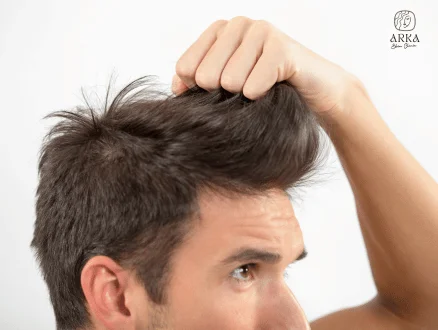
Hair loss is a common concern for many men today. Some people start noticing thinning hair in their late 20s, while others may see it even earlier. A receding hairline or a thinning crown can affect confidence and appearance. Because of this, many people ask an important question: what is the best age for hair transplant? Hair transplant surgery has become one of the most reliable solutions for hair loss. It is often called a permanent hair transplant treatment because the transplanted hair continues to grow naturally for many years. However, timing is very important. Choosing the ideal age for hair transplant helps ensure that the results look natural and remain stable in the future. At Arka Clinic, specialists evaluate every patient carefully before recommending surgery. They study the hair loss pattern, donor hair strength, and scalp health to help patients decide when to get hair transplant surgery. In this blog, we will explain the hair transplant age limit, the minimum age for hair transplant, and how to determine the best time for hair transplant surgery. Key Takeaways The best age for hair transplant is usually between 25 and 45 years. Doctors often avoid surgery before 23–25 years because hair loss may still be progressing. The minimum age for hair transplant depends on the stability of hair loss. A professional hair transplant consultation helps determine eligibility. Modern methods like FUE hair transplant offer natural and long-lasting results. Early treatment can help slow hair loss and improve long-term outcomes. Understanding Hair Loss Hair loss can occur for several reasons. Genetics is the most common cause. Stress, hormonal changes, and poor lifestyle habits can also affect hair health. One of the most common conditions is male pattern baldness. In this condition, hair follicles slowly shrink over time. As a result, hair becomes thinner and weaker. Usually, the hairline starts to move backward. Later, the crown area may also begin to thin. A permanent hair transplant treatment works by moving healthy hair follicles from the donor area, usually the back of the scalp, to areas where hair is thinning or missing. These transplanted follicles are resistant to hair loss. That is why they continue to grow hair even after transplantation. Today, the most popular technique used by specialists is the FUE hair transplant method. Why Age Matters for Hair Transplant Age plays a major role in planning hair restoration surgery age. Hair loss often changes over time. If a transplant is done too early, hair loss may continue in other areas of the scalp. This can affect the final appearance. Before recommending surgery, doctors evaluate several factors: Current hair loss pattern Family history of baldness Donor hair density Overall scalp condition A detailed hair transplant consultation helps doctors analyze these factors and decide the best time for hair transplant surgery. Ideal Age for Hair Transplant Most experts agree that the ideal age for hair transplant is between 25 and 45 years. By this stage, the pattern of hair loss becomes more predictable. This allows surgeons to design a hairline that will still look natural in the future. When surgery is performed too early, continued hair loss may create uneven density. That is why clinics like Arka Clinic carefully evaluate each patient before recommending surgery. Choosing the right hair restoration surgery age helps ensure long-term success. Hair Transplant Age Guide Age Group Recommendation Explanation Under 21 Usually not recommended Hair loss pattern is not stable 21–24 Rare cases Requires detailed evaluation 25–35 Ideal age Hair loss pattern becomes clearer 35–50 Very suitable Donor hair is usually strong 50+ Possible Depends on health and hair density This table helps explain the hair transplant age limit and the best time for hair transplant surgery. Minimum Age for Hair Transplant Many patients ask about the minimum age for hair transplant. Technically, hair transplant surgery can be performed after 21 years of age. However, most doctors recommend waiting until around 25 years. Younger patients may still experience active hair loss. Waiting allows doctors to understand the long-term pattern of baldness. Before surgery, doctors may suggest early hair loss solutions such as: Hair loss medications PRP therapy Lifestyle changes Nutritional improvements These treatments can help slow hair thinning. Hair Transplant for Young Men Hair loss in younger men is becoming more common. Stress, diet, and genetics all play a role. However, hair transplant for young men should be planned carefully. Doctors often recommend monitoring hair loss progression first. Early medical treatments may also help slow down the process. Once hair loss stabilizes, a permanent hair transplant treatment can provide natural and lasting results. FUE Hair Transplant and Its Benefits The FUE hair transplant technique is widely used today because it offers natural results with minimal scarring. In this procedure, individual hair follicles are extracted and implanted into thinning areas. Some major benefits include: Natural hair growth Minimal visible scars Faster recovery Long-lasting results When performed at the ideal age for hair transplant, this method can restore both hair and confidence. At Arka Clinic, experienced specialists use advanced FUE techniques to create natural hairlines and balanced density. Signs You May Be Ready for Hair Transplant You may be ready for hair restoration surgery if: Your hair loss pattern has become stable You have strong donor hair at the back of the scalp Hair thinning affects your confidence Medical treatments are not giving enough improvement You want a long-term hair restoration solution A professional hair transplant consultation at Arka Clinic can confirm your hair transplant eligibility. Real Facts About Hair Transplant Here are some interesting facts about hair transplant procedures: More than 650,000 hair transplant procedures are performed globally each year. Modern FUE hair transplant procedures can achieve success rates above 90%. Transplanted hair follicles are usually permanent and resistant to baldness. New hair growth often begins 3–4 months after surgery. These facts show why permanent hair transplant treatment is widely trusted. Simple Activity: Track Your Hair Loss Pattern Understanding your hair loss pattern can help you decide when to
Hair Transplant: Complete Eligibility Guide

Hair loss affects millions of men and women and can significantly impact confidence, appearance, and quality of life. While treatments like medications and PRP can slow down hair thinning, only a hair transplant can permanently restore lost hair. But not everyone experiencing hair fall or baldness is the right hair transplant candidate. This detailed guide by Arka Skin Clinic explains hair transplant eligibility, minimum age for hair transplant, medical considerations, donor requirements, and a complete consultation checklist to help you understand whether you qualify for the procedure. Who Is a Good Candidate for a Hair Transplant? Anyone considering a transplant must meet certain criteria to ensure safe surgery and successful results. Below are the factors that define a suitable hair transplant candidate. 1. You Have a Healthy and Sufficient Donor Area A strong donor area is the most essential requirement for a hair transplant. This typically includes the back and sides of the scalp, where hair follicles are genetically resistant to balding. Characteristics of a good donor area: Good follicular density Thick and strong hair strands Minimal thinning Adequate graft availability (usually 2000–4000+ grafts depending on baldness) No scarring or infection A transplant does not create new hair; it redistributes existing hair. Therefore, a healthy donor area directly influences the final outcome. 2. Your Hair Loss Pattern Is Stable One of the key elements of hair transplant eligibility is whether your hair loss has stabilized. Signs of stable hair loss: No rapid shedding in the last 6–12 months No sudden receding hairline Medications (if used) have stabilized the condition Baldness progression is predictable If the hair loss is still active, a premature transplant may result in uneven results or the need for several corrective surgeries. 3. You Have Good Hair Characteristics Certain natural hair features help produce a denser and more visually appealing result. Favorable hair characteristics include: Thick hair shafts Wavy or curly hair Low contrast between hair and skin tone Strong follicular units People with these characteristics often achieve better coverage with fewer grafts. 4. You Are in Good Overall Health General health plays a major role in determining hair transplant eligibility. A healthy individual has: Better healing capacity Reduced risk of infections Higher graft survival rate Fewer surgical complications Minor health issues are manageable, but chronic illnesses must be stable. 5. You Have Realistic Expectations A good hair transplant candidate understands: A transplant restores natural-looking hair but cannot recreate childhood density Severe baldness may require multiple sessions Medications may still be needed to maintain native hair Results take 9–12 months to fully develop Being mentally prepared leads to a more satisfying experience. Hair Transplant Eligibility Criteria in India At Arka Skin Clinic, surgeons follow well-defined standards when assessing hair transplant eligibility in India. This ensures patient safety and long-lasting results. 1. Age and Baldness Pattern Recommended age: 25+ years Assessment includes Norwood Scale (men) or Ludwig Scale (women) Family history and future hair loss prediction A mature hairline is planned keeping future thinning in mind. 2. Grade of Baldness Hair transplant viability depends on the extent of baldness. Typical graft requirements: Mild baldness: 1000–1500 grafts Moderate baldness: 2000–3500 grafts Advanced baldness: 4000–5500+ grafts The surgeon evaluates whether the donor area can support your coverage requirements. 3. Donor Area Density Density is one of the biggest factors determining eligibility. Ideal density: 50–60 follicular units/sq. cm If density is low, beard hair or body hair may be used 4. Scalp Condition A healthy scalp is essential. Conditions that must be controlled before surgery include: Dandruff or seborrheic dermatitis Psoriasis Folliculitis Scalp infections 5. Medical Clearance Preoperative evaluation in India typically includes: Blood sugar Thyroid profile BP check ECG (for older patients or those with heart history) This ensures safe anesthesia and better post-surgery recovery. Minimum Age for Hair Transplant The recommended minimum age for hair transplant is 25 years.While some patients below this age may undergo the procedure, surgeons prefer waiting until hair loss stabilizes to avoid unpredictable results. Why age matters: Prevents designing an immature hairline Helps avoid future patchiness Prevents multiple corrective surgeries Medical Conditions That Affect Hair Transplant Eligibility Part of the assessment process is identifying any medical conditions for hair transplant that may pose risks. 1. Diabetes A common question patients ask is: Can I get a hair transplant if I have diabetes? Controlled diabetes: Eligible Uncontrolled diabetes: Not eligible until stabilized Uncontrolled sugar levels impair healing and increase infection risk. 2. Blood Pressure Problems High BP must be controlled before surgery. Patients take medications as directed by their physician. 3. Thyroid Disorders Hypothyroidism and hyperthyroidism can worsen hair fall.Thyroid levels must be stabilized before transplantation. 4. Autoimmune Disorders Conditions such as alopecia areata can cause graft rejection.A transplant is usually avoided until the disease is inactive. 5. Heart Conditions Patients with cardiac issues may require clearance from a cardiologist. How Much Donor Area Is Needed for a Hair Transplant? The strength of your donor area determines the number of grafts that can be safely harvested. General donor area requirements: Good hair density Strong follicle health At least 2000 grafts for moderate baldness Up to 5000 grafts for extensive baldness If the donor area is insufficient, alternative donor sources like beard or body hair may be used. Signs You Are a Good Candidate for Hair Transplant Here are the main signs you are a good candidate for hair transplant: You have stable hair loss Your donor area is strong You are in good health Your scalp is free from infection You understand the expected results You can commit to post-care instructions Meeting most of these criteria indicates strong eligibility. Who Should Not Get a Hair Transplant? Not everyone is suitable. Below are the main categories under who should not get a hair transplant: Patients with uncontrolled diabetes Individuals with active hair loss People with very poor donor density Those with scalp infections or autoimmune hair diseases Individuals with unrealistic expectations Patients with uncontrolled hypertension or heart issues Surgeons always prioritize patient safety and long-term
