
Male Pattern Baldness: Early Warning Signs and Hair Regrowth Solutions
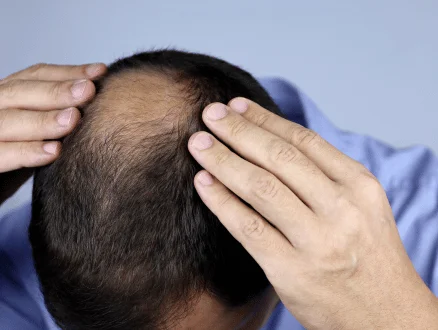
Noticing a receding hairline in photographs or seeing more scalp around the crown can be concerning. For many men, these changes are early signs of male pattern baldness, a common form of progressive hair loss that can begin in early adulthood and become more noticeable with age. Although hereditary hair loss cannot always be reversed completely, suitable treatment may help slow its progression and improve hair density in some men. The right approach depends on the cause of hair loss, the condition of the hair follicles, and individual treatment needs. At Arka Skin Clinic, Gurgaon, we help patients explore appropriate hair restoration options based on their concerns and clinical assessment. Understanding the early signs of male pattern baldness can help you seek advice and make informed decisions about your hair health. What Is Male Pattern Baldness? Male pattern baldness, medically known as androgenetic alopecia, is a hereditary condition that causes gradual hair thinning in a characteristic pattern. It commonly affects the temples, front hairline, and crown of the scalp. Genetics and sensitivity to dihydrotestosterone (DHT), a hormone produced from testosterone, play important roles in this condition. In susceptible individuals, DHT affects certain hair follicles and causes them to shrink gradually. This process is called follicular miniaturization. As the follicles become smaller, they produce finer, shorter hairs. Over time, hair density decreases, and some affected areas may eventually lose most of their visible hair. The rate of progression varies from person to person. Some men notice changes in their twenties, while others develop more visible thinning later in life. It is also important to understand that not all hair loss is male pattern baldness. Nutritional deficiencies, thyroid conditions, certain medications, scalp disorders, and temporary hair shedding can produce similar concerns. Identifying the underlying cause is essential before selecting a treatment. Early Warning Signs of Baldness in Men Male pattern hair loss usually develops gradually. Recognizing these changes early can help you seek professional advice before significant thinning occurs. 1. A Receding Hairline A receding hairline is one of the most recognizable early signs of male pattern baldness. The hairline gradually moves backwards around the temples, sometimes creating an M-shaped appearance. Changes can be subtle at first. Comparing photographs taken several months apart may help you notice whether the hairline is changing over time. 2. Thinning Hair at the Crown The crown, or upper back portion of the scalp, is another common area affected by hereditary hair loss. You may notice that your scalp becomes more visible under bright lighting or when your hair is wet. The thinning may gradually spread if the condition progresses. 3. Reduced Hair Density Your hair may begin to look less full even when the hairline appears relatively unchanged. Styling may become more difficult because the hair no longer provides the same volume or coverage. 4. Finer and Shorter Hair Strands Affected follicles may gradually produce finer, shorter strands instead of thick, healthy-looking hair. This change can make the scalp more visible and reduce overall hair density. 5. Gradual Hair Loss Over Time Male pattern baldness generally progresses over months or years rather than causing sudden, widespread shedding. The speed of progression depends on individual factors. A receding hairline or thinning crown does not automatically confirm hereditary hair loss. A dermatologist can examine the scalp and determine whether the pattern is consistent with androgenetic alopecia. What Causes Male Pattern Hair Loss? Several factors influence hair loss in men, but male pattern baldness has a specific underlying mechanism. Genetics: A family history of hair loss can increase the likelihood of developing male pattern baldness. Genetic influences may come from either side of the family. Sensitivity to DHT: In genetically susceptible hair follicles, DHT contributes to gradual miniaturisation. The affected hairs become thinner and shorter over time. Age: The condition can begin in early adulthood and progress with age. However, its timing and severity vary considerably between individuals. Other medical conditions: Thyroid disorders, nutritional deficiencies, illness, certain medications, and stress-related shedding can also contribute to hair loss. These conditions may occur independently or alongside hereditary baldness. Poor hygiene, frequent shampooing, and wearing a cap do not directly cause hereditary male pattern baldness. Changing these habits alone will not treat the underlying condition. Understanding the cause of hair loss is therefore more useful than relying on home remedies or products that promise rapid regrowth. How Is Male Pattern Baldness Diagnosed? An accurate diagnosis helps distinguish hereditary hair loss from other conditions that may need different treatment. During an assessment, a dermatologist may: Review your medical history, family history, medications, and the duration of hair loss. Examine the scalp to assess the pattern and extent of thinning. Evaluate hair density and the appearance of individual strands. Recommend blood tests if symptoms suggest nutritional deficiencies, thyroid problems, or other underlying conditions. Consider additional investigations if the cause of hair loss is unclear. A scalp examination may also help assess whether the follicles are likely to respond to treatment. Early assessment can be particularly useful because some treatments work best when affected follicles are still producing hair. It can also help prevent unnecessary procedures or unsuitable medication use. Male Pattern Baldness Treatment Options There is no single treatment that works equally well for everyone. Depending on the diagnosis and stage of hair loss, options may include medication, platelet-rich plasma therapy, or hair transplantation. The aim is to select an approach that suits your condition, medical history, and expectations. 1. Topical Minoxidil Minoxidil is a commonly used topical treatment for hereditary hair loss. It may help reduce hair loss and improve the thickness of existing hair in some men. Treatment requires consistent use, and visible improvement may take several months. Results vary, and complete regrowth should not be expected. Possible side effects include scalp irritation, itching, and unwanted hair growth in nearby areas. Follow the product instructions and seek medical advice if you experience concerning symptoms. Continued use is generally needed to maintain the benefits. Hair that has been maintained or regrown through
Why Am I Losing Hair? Top Causes & Proven Solutions

Losing Hair Is More Common Than You Think Hair loss is no longer just an age-related issue. Today, even people in their 20s are searching: “Why is my hair falling out suddenly?” “How to stop hair fall immediately?” “Best treatment for hair loss in India” If you’re noticing more hair on your pillow, comb, or shower drain — it’s your body trying to tell you something. At Arka Clinic, many patients come in confused and worried. The truth is simple: Hair loss always has a root cause — and once you identify it, treatment becomes much easier. Why Hair Fall Happens Naturally Before panicking, you need to know this: Your hair is constantly growing, resting, and shedding. Hair Growth Phases: Anagen (Growth Phase): Hair actively grows for 2–7 years. Catagen (Transition Phase): Hair stops growing. Telogen (Shedding Phase): Hair falls out and new hair replaces it. Losing 50–100 hairs daily is completely normal. Problem starts when: Hair fall increases suddenly New hair growth reduces Hair becomes thinner over time Top Causes of Hair Loss Hair loss doesn’t happen without a reason. In most cases, it’s your body reacting to internal changes like hormones, nutrition, stress, or genetics. Understanding the exact cause is the first step toward choosing the right hair loss treatment. Below are the most common and medically proven causes of hair fall: 1. Genetic Hair Loss This is the #1 cause of hair loss worldwide. What happens: Hair follicles shrink gradually Hair becomes thinner Eventually stops growing Signs: Receding hairline Wider partition / thinning crown 2. Sudden Hair Loss Due to Stress If your hair fall increases suddenly — stress is often the reason. Triggers: Work pressure Emotional stress Illness (like COVID) Crash dieting What happens: Hair shifts early into shedding phase → heavy hair fall Example: A working professional experienced severe hair fall after job stress — within 2 months 3. Hormonal Imbalance (Common in Women) Hormones directly affect hair growth. Common causes: PCOS Thyroid issues Pregnancy Menopause Symptoms: Hair thinning Acne Weight gain Irregular periods 4. Nutritional Deficiency (Silent Cause of Hair Fall) Many people ignore this — but it’s very common. Key deficiencies: Iron Vitamin D Vitamin B12 Protein Signs: Weak hair Hair breakage Slow regrowth Scalp Problems Healthy scalp = healthy hair growth. Issues: Dandruff Fungal infections Excess oil 5. Medical Conditions Some hair loss needs medical attention. Conditions include: Alopecia Areata Diabetes Autoimmune disorder How to Stop Losing Hair (Proven Solutions That Work) Now the important part — what actually works? Stopping hair loss is not about using one product—it’s about fixing the root cause. The right approach usually includes a mix of lifestyle changes, proper nutrition, medical care, and advanced treatments when needed. The earlier you take action, the better your chances of reversing hair fall and promoting regrowth. 1. Fix Your Lifestyle First (Most Underrated Solution) Before expensive treatments, start here: Do this daily: Eat protein-rich foods Add iron (green vegetables) Drink enough water Sleep 7–8 hours Reduce stress 2. Medical Treatments Minoxidil Improves blood circulation Boosts hair growth Supplements Biotin Iron Vitamin D ⚠️ Always consult a professional before starting. 3. Advanced Hair Treatments PRP Treatment for Hair Loss Uses your own blood growth factors Improves hair thickness GFC Therapy More advanced than PRP Faster visible results Hair Transplant Permanent solution Natural hairline restoration Why Choose Arka Clinic for Hair Loss Treatment? Choosing the right clinic is as important as choosing the right treatment. At Arka Clinic: ✔ Advanced scalp analysis ✔ Root-cause diagnosis ✔ Personalized treatment plans ✔ Combination therapies for best results 👉 Unlike generic solutions, Arka Clinic focuses on the cause, not just symptoms. Natural Remedies for Hair Loss –These won’t replace medical treatment but help improve results. Try: Coconut oil massage Aloe vera for scalp Onion juice (improves circulation) Avoid: Excess heat styling Tight hairstyles Harsh chemicals When Should You See a Hair Specialist? Don’t ignore these signs: Hair fall > 2–3 months Visible thinning Bald patches Sudden heavy shedding 👉 Early treatment = faster recovery Final Thoughts: Hair Loss Is Treatable — If You Act Early Losing Hair is not just a cosmetic issue — it reflects your internal health. The biggest mistake people make? Waiting too long. With the right diagnosis and treatment plan, you can: Stop hair fall Regrow lost hair Improve hair density Book Your Consultation at Arka Clinic If you’re struggling with Losing Hair and looking for a permanent and professional solution, it’s time to take action. At Arka Clinic, experts help you: ✔ Identify the exact cause ✔ Choose the right treatment ✔ Get visible, long-term results 👉 Book your consultation today and take the first step towards healthy hair. FAQs About Losing Hair 1. Why is my hair falling out suddenly? Due to stress, illness, or hormonal imbalance — usually temporary. 2. Can hair grow back after thinning? Yes, if treated early and correctly. 3. Which vitamin is best for hair growth? Vitamin D, B12, iron, and biotin are essential. 4. Is PRP treatment effective? Yes, especially in early to moderate hair loss. 5. How long does hair treatment take? Results usually start in 2–3 months. 6. Is hair transplant safe? Yes, when done by experts.
