
Acne Scar Removal in Gurgaon: Advanced Treatments for Smoother, Clearer Skin
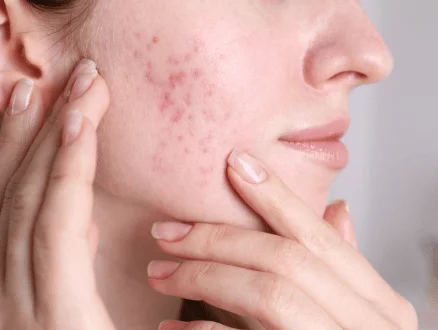
Acne can be frustrating, but the marks and scars left behind can be even more difficult to manage. Even after pimples have healed, you may notice uneven skin texture, deep pits or dark marks on your cheeks and forehead. These concerns can affect your confidence and make your skin look less smooth. At Arka Skin Clinic, Gurgaon, we understand that every person’s skin is different. That is why choosing the right acne scar treatment begins with understanding the type of scars, your skin condition and your treatment goals. With suitable dermatological care, many acne scars can become less noticeable. Treatments such as laser resurfacing, chemical peels and other dermatologist-recommended procedures may help improve skin texture and support collagen production. However, the right option depends on the type and severity of scarring. In this blog, we explain the different types of acne scars, available treatment options, expected results and how to choose the right approach for your skin. What Are Acne Scars and Why Do They Develop? Acne scars develop when inflammation damages the skin during a breakout. As the skin heals, it produces collagen to repair the affected tissue. If too little or too much collagen forms, the skin may develop permanent changes in texture. Several factors can increase the risk of acne scarring: Deep or inflamed acne, including painful pimples and cysts. Picking, squeezing or scratching pimples. Delayed treatment of persistent acne. Individual healing patterns and genetic factors. It is also important to distinguish acne scars from dark marks. Flat brown or reddish marks left after a breakout are often caused by post-inflammatory pigmentation. These marks may fade over time or improve with appropriate skincare and treatment. Pitted or raised scars involve structural changes in the skin and may require professional procedures. At Arka Skin Clinic, we recommend understanding the underlying concern before selecting a treatment. This helps ensure that the treatment plan addresses your actual skin needs. Types of Acne Scars and How They Affect Your Skin Different acne scars respond differently to treatment. Identifying the type of scarring is an important first step. 1. Ice-Pick Scars: These are narrow, deep pits that extend into the skin. They can be difficult to treat with superficial skincare products because the damage extends beneath the skin’s surface. 2. Boxcar Scars: Boxcar scars appear as wider depressions with defined edges. They can make the skin look uneven, particularly on the cheeks. 3. Rolling Scars: Rolling scars create a wavy appearance. They may develop when fibrous bands beneath the skin pull the surface downward. 4. Raised Acne Scars: Hypertrophic scars and keloids develop when excess collagen forms during healing. They appear raised and require a different treatment approach from pitted scars. 5. Dark Marks After Acne: Flat brown, red or dark spots are often related to pigmentation rather than permanent scarring. These concerns may respond to suitable skincare, chemical peels or other dermatologist-recommended treatments. Because several types of scars can occur together, a personalized assessment helps determine which treatment options may be most suitable. Best Acne Scar Removal Treatments Available Today There is no single best treatment for every acne scar. The choice depends on scar depth, skin tone, current acne activity and individual suitability. At Arka Skin Clinic, we provide dermatological care based on individual skin concerns. The following are treatment approaches that may be considered for acne scarring; the availability of specific procedures should be confirmed with our clinic. 1. Laser Skin Resurfacing Laser skin resurfacing uses controlled energy to target selected skin layers and support collagen remodelling. Depending on the technology used, it may help improve uneven texture and the appearance of certain depressed scars. Potential benefits include: Improving the appearance of selected acne scars. Supporting collagen production. Helping create a smoother-looking skin surface. Recovery depends on the laser type and treatment intensity. Temporary redness, swelling and pigmentation changes are possible. Careful treatment selection is particularly important for Indian skin tones, which may be more prone to post-inflammatory pigmentation after skin irritation. 2. Micro needling Micro needling uses fine needles to create controlled micro-injuries in the skin. The healing response encourages collagen production and may improve the appearance of selected depressed scars over time. It may be considered for certain rolling or boxcar scars. Multiple sessions may be needed, depending on the skin’s response. Temporary redness, swelling and sensitivity can occur. The procedure should be performed by a suitably trained professional, and active acne or skin infections must be assessed before treatment. 3. Chemical Peels Chemical peels use carefully selected solutions to exfoliate the skin and encourage skin renewal. They may help improve uneven skin tone, superficial marks and selected mild textural concerns. At Arka Skin Clinic, we offer chemical peel treatments as part of our skin care services. The type and strength of peel should be selected according to your skin condition and treatment goals. Chemical peels may help with pigmentation, but deeper pitted scars usually require a different or additional approach. 4. Subcision for Selected Depressed Scars Some rolling scars are attached to the tissue beneath the skin by fibrous bands. Subcision is a procedure that releases these attachments, allowing the depressed area to lift. It may be considered for selected tethered scars. Bruising, swelling and tenderness can occur, so proper assessment and clinical expertise are essential. 5. Combination Treatments Some patients have different types of scars on the same face. In these cases, a dermatologist may recommend a combination of procedures or staged treatment. For example, one treatment may target tethered scars, while another addresses surface texture or pigmentation. The aim is to create a practical plan based on your skin’s needs rather than choosing a procedure simply because it is popular. Considering acne scar treatment in Gurgaon? Book a consultation at Arka Skin Clinic to discuss your skin concerns and understand which treatment options may be appropriate for you. Which Acne Scar Treatment Is Right for Your Skin? The right treatment depends on several factors, including: Scar type: Deep pits, rolling scars, raised scars
Clogged Pores Won’t Go Away? A Dermatologist’s Guide to Treatment and Daily Skin Care

You cleanse your face regularly, yet the tiny bumps, blackheads and rough texture keep returning. If this sounds familiar, you may be dealing with clogged pores. Clogged pores are common, especially on oily and combination skin. They often appear around the nose, forehead, chin and cheeks. However, washing your face harder or scrubbing more often is not usually the answer. The right clogged pores treatment starts with understanding why congestion happens. It also requires a consistent skincare routine and the right ingredients for your skin. In some cases, recurring congestion may also be linked to acne. That is when professional guidance can make a real difference. What Are Clogged Pores? Pores are tiny openings in the skin. They allow sebum, or natural skin oil, to reach the skin’s surface. Problems can occur when excess sebum mixes with dead skin cells inside the pore. This creates a blockage, commonly known as a clogged pore. Clogged pores can appear in several forms. Blackheads: Open clogged pores that look dark at the surface. Whiteheads: Closed clogged pores that appear as small, pale or flesh-coloured bumps. Tiny bumps: Small, rough or uneven areas caused by congestion. Acne: Some clogged pores can develop into inflamed acne lesions. Importantly, blackheads are not caused simply by dirt. The dark appearance comes from changes in the material within an open pore when it is exposed to air. Also, not every small bump on the face is a clogged pore. Persistent bumps may have other causes and may need a dermatologist’s assessment. Why Do Pores Get Clogged? There is rarely just one reason. Several factors can contribute to recurring congestion. Excess Oil Production Sebum is important for healthy skin. However, excess oil can combine with dead skin cells and increase the chance of blockage. This is one reason oily skin and clogged pores often occur together. Dead Skin Cell Build-Up Skin naturally sheds dead cells. Sometimes, these cells do not clear efficiently from the pore. They can then mix with sebum and contribute to congestion. Hormonal Changes Hormonal fluctuations can affect oil production. This may explain why some people notice more congestion during certain periods. Humidity and Sweating Hot and humid conditions can make the skin feel oilier. Sweat, oil and skincare products can also create a heavier feeling on the skin. However, humidity alone does not mean your pores will become clogged. Unsuitable Skincare or Makeup Some rich or unsuitable products may contribute to congestion in people who are prone to clogged pores. Therefore, consider your entire routine rather than blaming one product immediately. Cleansing Too Little or Too Much Inadequate cleansing may leave makeup, sunscreen and excess oil on the skin. However, over-cleansing can also be problematic. Harsh cleansing may irritate the skin and weaken its protective barrier. Excessive Exfoliation More exfoliation does not always mean cleaner pores. Using several exfoliating products can cause dryness and irritation. This may make your skin harder to manage. Touching and Picking Frequent touching can transfer oil and irritants to the skin. Picking blackheads can also cause inflammation and increase the risk of marks. Most importantly, clogged pores are not simply a hygiene problem. Even people with excellent skincare habits can develop them. How Can You Tell If Your Pores Are Clogged? Common signs include: Blackheads Whiteheads Small flesh-coloured bumps Rough skin texture Uneven-looking skin Enlarged-looking pores Recurring congestion around the nose, forehead or chin The skin may also feel less smooth than usual. However, persistent or inflamed bumps should not automatically be treated as simple clogged pores. Acne, irritation and other skin conditions can sometimes look similar. When congestion keeps returning, a professional assessment can help identify the actual cause. How to Get Rid of Clogged Pores: A Simple Daily Skincare Routine A good routine does not need to contain ten different products. In fact, clogged pores skincare often works better when it is simple and consistent. Morning Routine Use a gentle cleanser Choose a cleanser that removes excess oil without leaving your skin feeling tight or uncomfortable. Add an appropriate treatment ingredient Depending on your skin, an ingredient such as salicylic acid or niacinamide may be useful. Avoid adding several new activities at the same time. Apply a lightweight moisturiser Even oily skin needs hydration. Choose a lightweight, non-comedogenic moisturiser when appropriate for your skin. Finish with sunscreen Use a broad-spectrum sunscreen during the day. Daily sun protection is especially important if you are also managing acne, marks or pigmentation. Evening Routine Cleanse properly Remove makeup, sunscreen, sweat and daily build-up. Use an appropriate pore-clearing active Depending on your skin and concerns, this may include salicylic acid or a retinoid. Moisturise Finish by supporting your skin barrier with a suitable moisturiser. Consistency matters more than constantly changing products. Ingredients That May Help Clogged Pores Salicylic Acid Salicylic acid is commonly used for congested and acne-prone skin. It can help loosen and remove excess oil and dead skin cells within pores. Therefore, it may be useful when blackheads and whiteheads are a major concern. However, using too much can cause dryness or irritation. Niacinamide Niacinamide is a form of vitamin B3. It can support the skin barrier and may help manage excess oil for some people. It is also commonly included in routines for oily or combination skin. As with any active ingredient, your skin’s tolerance matters. Retinoids Retinoids can help regulate the build-up of dead skin cells within pores. They are also widely used in the management of comedonal acne. However, retinoids are not suitable for everyone. They can also cause irritation when introduced incorrectly. Professional guidance may therefore be helpful, particularly during pregnancy or when you have sensitive skin. Skincare Mistakes That Can Make Clogged Pores Worse Sometimes, the products you use are not the biggest problem. Your routine itself may be contributing to irritation. 1. Scrubbing Too Hard Aggressive scrubbing does not physically remove every clogged pore. It can instead irritate the skin. 2. Using Harsh Cleansers A cleanser that leaves your skin extremely dry may
Professional vs. Home Remedies for Acne: What Works Best?

Acne is a common skin condition that can affect people of all ages. When dealing with acne, you may come across various treatment options, including professional treatments offered by dermatologists and home remedies that you can try on your own. In this blog, we will explore the effectiveness of professional acne treatments versus home remedies. Professional Acne Treatments Dermatologist Acne Consultation Seeking professional help from a dermatologist is crucial for proper diagnosis and treatment of acne. Dermatologists are medical experts who specialize in treating skin conditions. They can assess your skin type, determine the underlying causes of your acne, and recommend suitable treatment options based on your specific needs. Prescription Medications Dermatologists have access to prescription medications that can effectively treat acne. These may include topical creams or gels containing ingredients like retinoids, benzoyl peroxide, or antibiotics. In more severe cases, oral medications such as antibiotics, hormonal treatments, or isotretinoin may be prescribed. Dermatologists carefully evaluate your condition and prescribe the most appropriate medications for optimal results. In-office Procedures Dermatologists may offer in-office procedures to treat acne, especially for stubborn or severe cases. These procedures may include chemical peels, microdermabrasion, laser therapy, or corticosteroid injections. These treatments are performed under professional supervision and can effectively target your lesions, reduce inflammation, and promote skin healing. Home Remedies Skincare Routine Establishing a consistent skincare routine is essential for managing at home. This includes gentle cleansing, avoiding harsh scrubs, and using non-comedogenic moisturizers. Over-the-counter products containing ingredients like salicylic acid or benzoyl peroxide can also be incorporated into your routine. Natural Remedies There are various natural remedies that people try for acne, such as tea tree oil, honey, aloe vera, or apple cider vinegar. While these remedies may provide some relief for mild cases, their effectiveness can vary, and they may not be suitable for everyone. It’s important to note that natural remedies should not replace professional medical advice or prescribed treatments. Lifestyle Changes Making certain lifestyle changes can have a positive impact. This includes maintaining a healthy diet, managing stress levels, avoiding excessive sun exposure, and not picking or squeezing lesions. Conclusion When it comes to professional dermatologist consultation and treatments offer a more comprehensive and effective approach compared to home remedies. Dermatologists have the knowledge, experience, and access to prescription medications and in-office procedures that can target the underlying causes of acne and provide long-lasting results. It is recommended to consult with the best doctors for acne treatment in Gurgaon at a reputable dermatologist clinic to receive personalized guidance and the most effective treatment options tailored to your specific skin condition.
Why Arka Skin Clinic is the Best Dermatology Clinic in Gurgaon

When it comes to your skin, you deserve the best care possible. If you are in Gurgaon and looking for top dermatological services, look no further than Arka Skin Clinic. Arka Skin Clinic has established itself as the best dermatology clinic in Gurgaon. In this article, we will discuss why Arka Skin Clinic stands out and why it should be your preferred choice. Highly Skilled Dermatology Clinic Arka Skin Clinic houses a team of highly skilled and experienced dermatologists who are at the forefront of their field. These doctors have undergone rigorous training and possess extensive knowledge in diagnosing and treating various skin conditions. With their expertise, they provide accurate diagnoses and develop personalized treatment plans tailored to each patient’s unique needs. Comprehensive Range of Services at Dermatology Clinic Best dermatology clinic in Gurgaon, Arka Skin Clinic offers a wide range of services to address all your dermatological problems. From general dermatology consultations to advanced treatments and procedures, they have you covered. Whether you require treatment for acne, eczema, psoriasis, hair loss, skin infections, or cosmetic procedures like Botox. It provides a one-stop solution for all your skin care needs. State-of-the-Art Facilities and Technology Arka Skin Clinic prides itself on maintaining state-of-the-art facilities and utilizing cutting-edge technology in its practice. The clinic is equipped with advanced diagnostic and treatment equipment to ensure accurate assessments and effective interventions. Whether it’s advanced laser systems, dermoscopy for skin cancer screening, or state-of-the-art surgical instruments. Personalized and Patient-Centric Approach At Arka Skin Clinic, every patient is treated with utmost care and respect. The dermatologists take a personalized and patient-centric approach, understanding that each individual’s skin is unique. They spend time with patients, actively listen to their concerns, and conduct thorough evaluations to develop customized treatment plans. The doctors at Arka Skin Clinic prioritize patient condition, treatment, and long-term skin care practices. Emphasis on Ethical and Transparent Practices at Dermatology Clinic Arka Skin Clinic upholds the highest standards of ethics and transparency in its practices. The clinic maintains a patient-centric environment, where honesty, integrity, and confidentiality are paramount. The doctors provide clear explanations of treatment procedures. It potential risks, and expected outcomes, allowing patients to make informed decisions about their skin care. Positive Patient Feedback and Testimonials The reputation of Arka Skin Clinic speaks for itself. Satisfied patients have provided positive feedback and testimonials, praising the clinic’s expertise, professionalism, and excellent results. The clinic’s commitment to patient satisfaction and positive outcomes has earned. it the trust and loyalty of numerous individuals seeking dermatological care in Gurgaon. Conclusion Arka Skin Clinic’s exceptional dermatologists, wide range of services, state-of-the-art facilities, personalized approach, ethical practices, and positive patient feedback make it the best dermatology clinic in Gurgaon. If you value quality care, advanced treatments, and the well-being of your skin, Arka Skin Clinic is the ultimate destination for all your needs. Put your trust in the hands of skilled professionals who prioritize your skin health and experience the difference that Arka Skin Clinic can make.
